
HOW KOLHAPURI CHAPPALS TOOK A GIANT LEAP
WITH LTTS’ KALA SAMRUDDHI PROJECT
- 14 October 2026
For over 800 years, Kolhapuri chappals have been part of the lives, tradition and landscapes of India’s western coast. Once cherished by the Peshwas, warriors and nobility of the mighty Maratha Empire, these handcrafted sandals continue to draw admirers around the world as a timeless expression of this nation’s rich cultural heritage.
Yet, behind this celebrated craft lies a quieter tale of resilience, as shrinking livelihoods and fading artisan communities threaten to wipe out a tradition that has endured for centuries. Changing market dynamics, limited access to customers and a lack of modern production facilities have made it difficult for Kolhapuri chappal-making skills to keep pace with the times. For the predominantly male artisans who have inherited this knowledge across generations, the challenge has been to keep the craft alive while ensuring it remains economically viable.
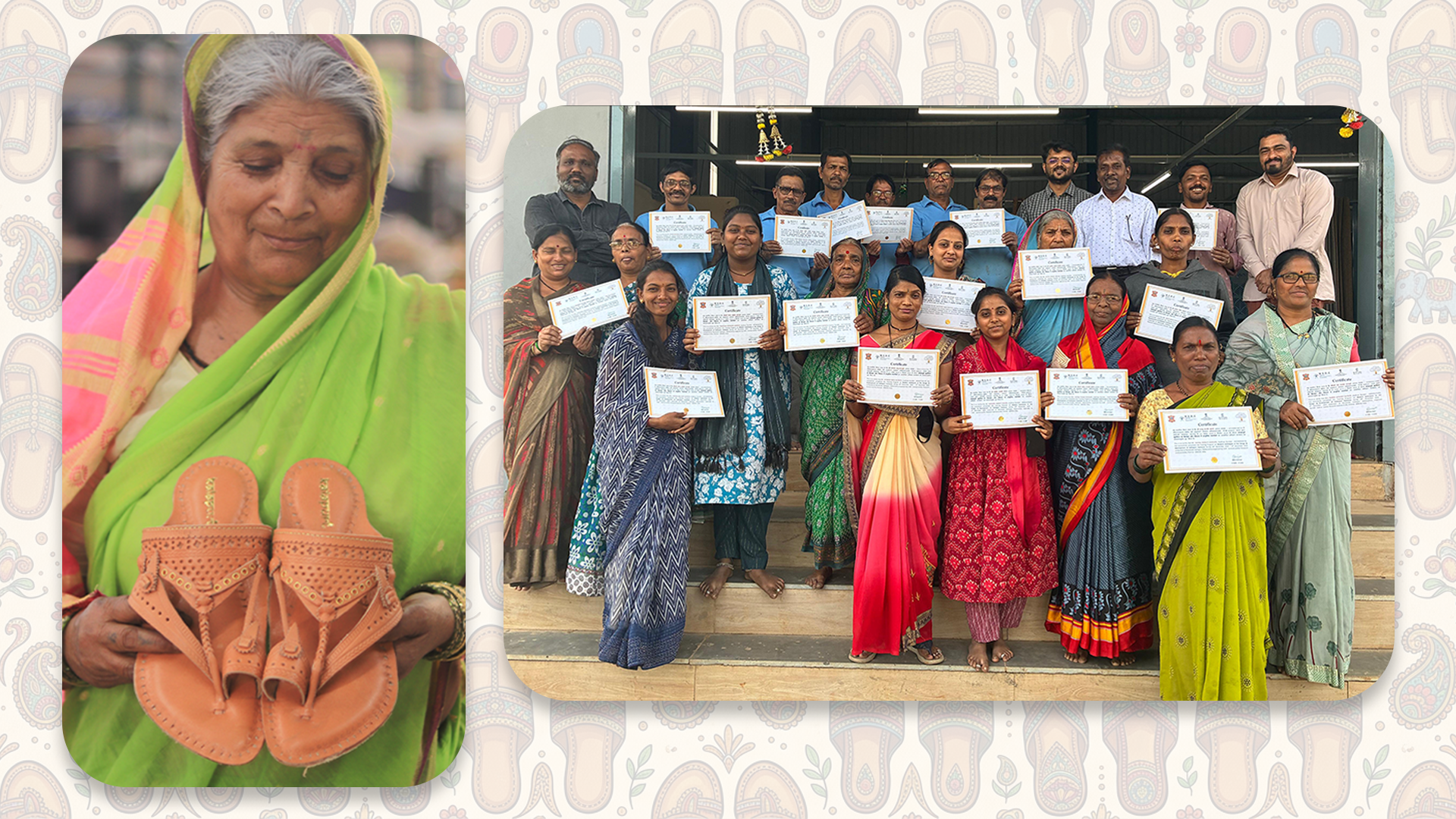
Recognising the need to preserve this legacy while creating sustainable livelihoods, L&T Technology Services (LTTS), in partnership with Kalapuri Foundation, launched the Kala Samruddhi CSR project. What started as a skill development initiative soon became a journey of empowerment for rural women, helping them transform their traditional skills into stable sources of income and entrepreneurship.
Aligned with the vision of Skill India, Atmanirbhar Bharat and Viksit Bharat, the Kala Samruddhi project demonstrates how traditional crafts can drive inclusive economic growth while preserving India's cultural legacy. The project has helped build a sustainable ecosystem for women artisans, equipping them with skills, access to modern infrastructure, market access and entrepreneurial support.
During FY24 and FY25, the Kala Samruddhi CSR project set up three manufacturing centres in Kolhapur. A Common Facility Centre (CFC) - equipped with modern machinery, furniture and digital infrastructure - was established to serve as a hub for production, training, raw material distribution and quality improvement. The CFC also integrated production, branding, packaging, product development and market access on one platform.
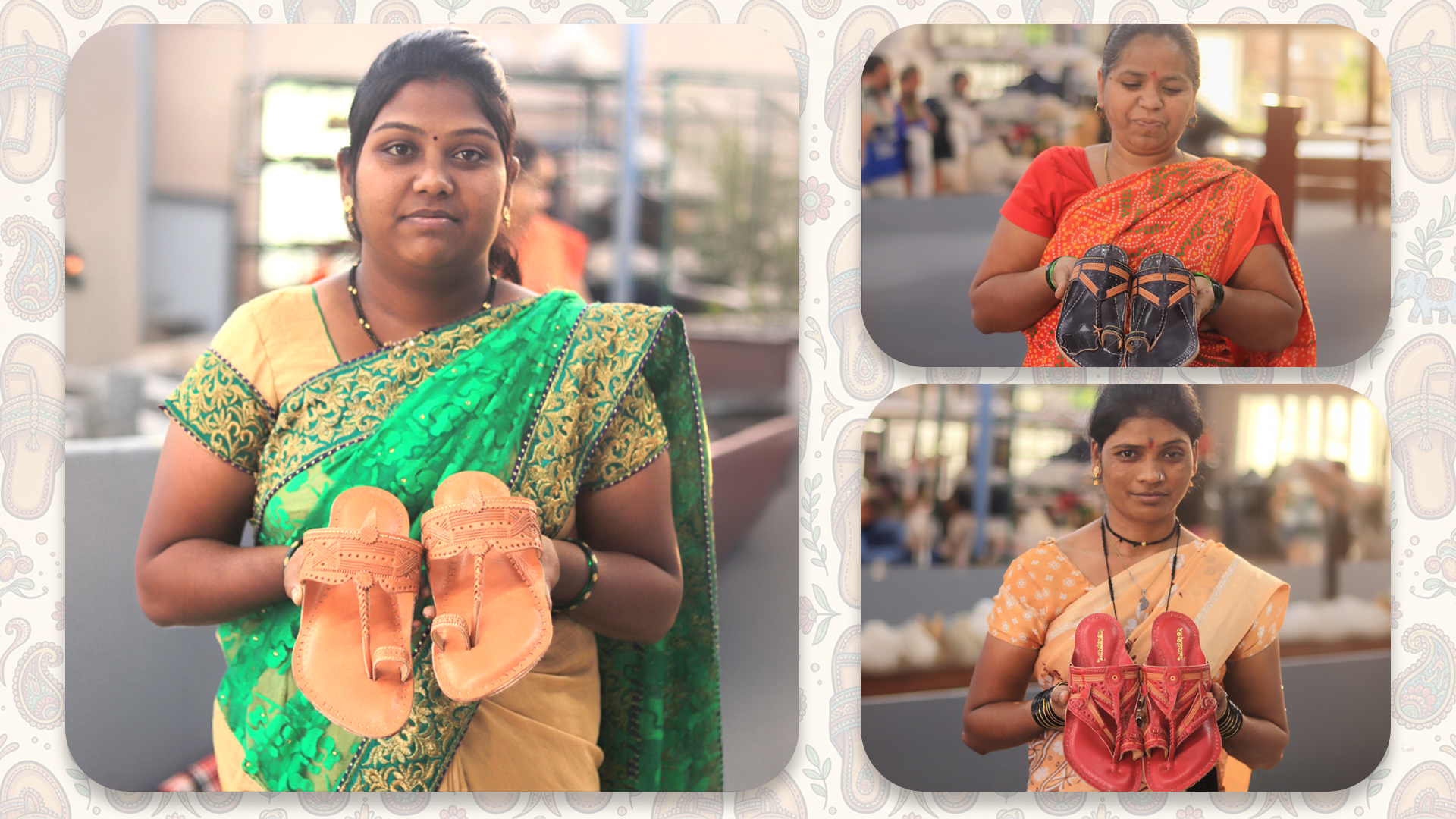
The project enabled women artisans to undergo advanced training at Central Leather Research Institute to improve craftsmanship, product quality and design skills. This helped artisans create market-ready products that meet changing consumer preferences.
The Kala Samruddhi CSR project also helped in expanding sales channels of the finely crafted Kolhapuri chappals. A 1,000 sq. ft. retail outlet, a mobile sales van and online marketplace linkages, including onboarding with an e-commerce marketplace, enabled artisans to connect directly with customers.
Beyond economic benefits, Kala Samruddhi has delivered significant social impact. Local livelihood opportunities have helped arrest urban migration, allowing women to earn sustainable incomes within their own communities. The initiative has enhanced confidence, leadership and decision-making abilities among participants. Equally important, the shared learning and working environment has strengthened the bond among women artisans, fostering unity, collaboration and mutual support.
The Kala Samruddhi CSR Project, helmed by Kalapuri Foundation and LTTS, carried forward L&T’s legacy of nation-building. Empowering women to build their futures through a craft rooted in their heritage is a giant leap towards sustainable livelihoods, stronger communities and a more Aatmanirbhar Bharat.


